The Discharge Tube Experiment
A sealed glass tube is fitted with two metal electrodes — a cathode (negative) and an anode (positive) — connected to a high-voltage DC source. The tube is evacuated to very low pressure using a vacuum pump. Under these conditions, a stream of particles — the cathode rays — flows from the cathode to the anode.
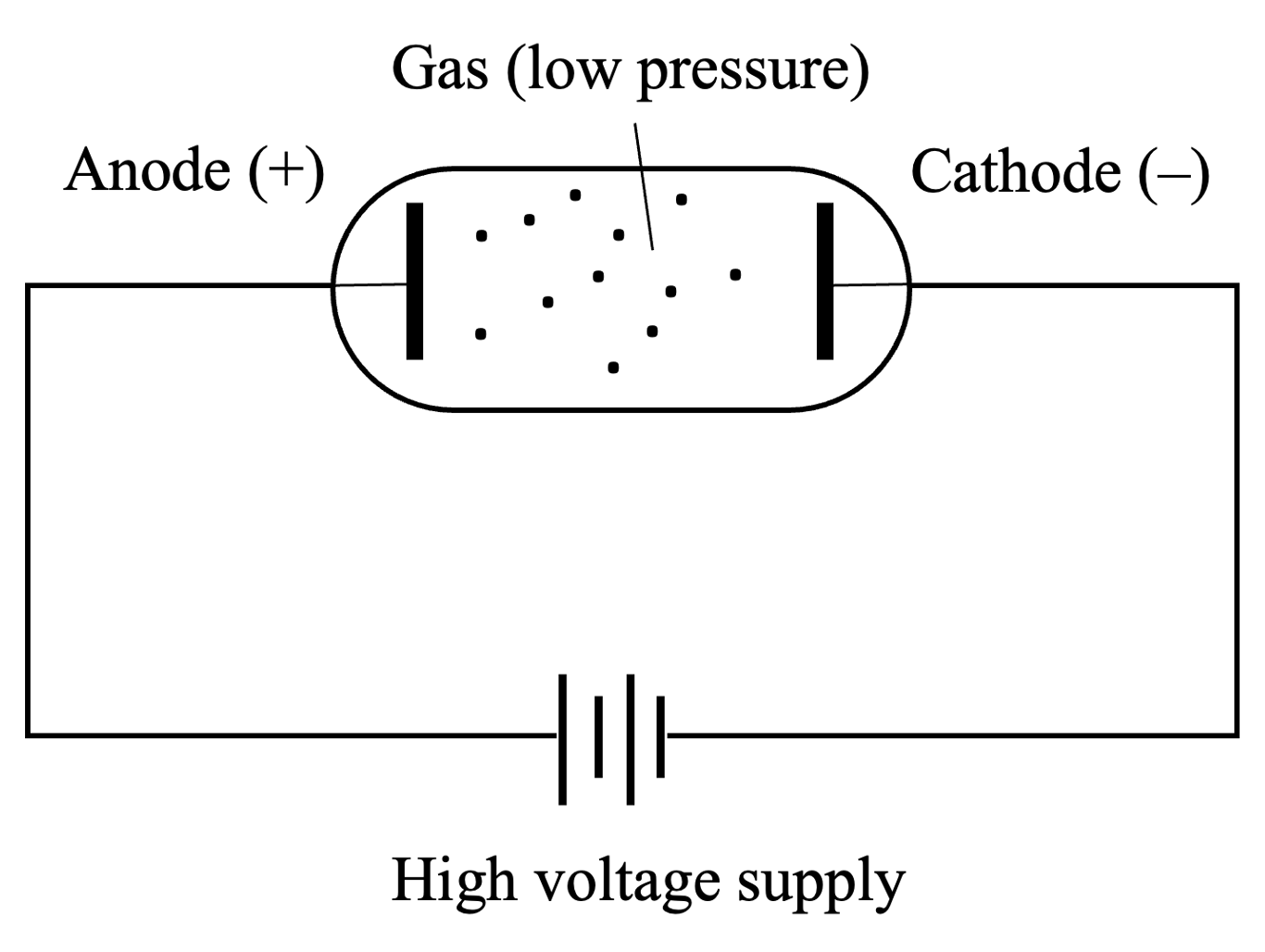
Fig 1. Gas discharge tube with cathode and anode connected to a high-voltage source
Two conditions are essential for observing the discharge: (i) very low pressure inside the tube, and (ii) very high voltage across the electrodes. Only when both conditions are met does the stream of cathode rays become visible.
Confirming the Direction of Flow
The flow of current from cathode to anode was further checked by making a hole in the anode and coating the tube behind the anode with a phosphorescent material — zinc sulphide (ZnS).
When these rays, after passing through the anode, strike the zinc sulphide coating, a bright spot is developed on the coating. This confirmed that cathode rays originate at the cathode and travel toward the anode.
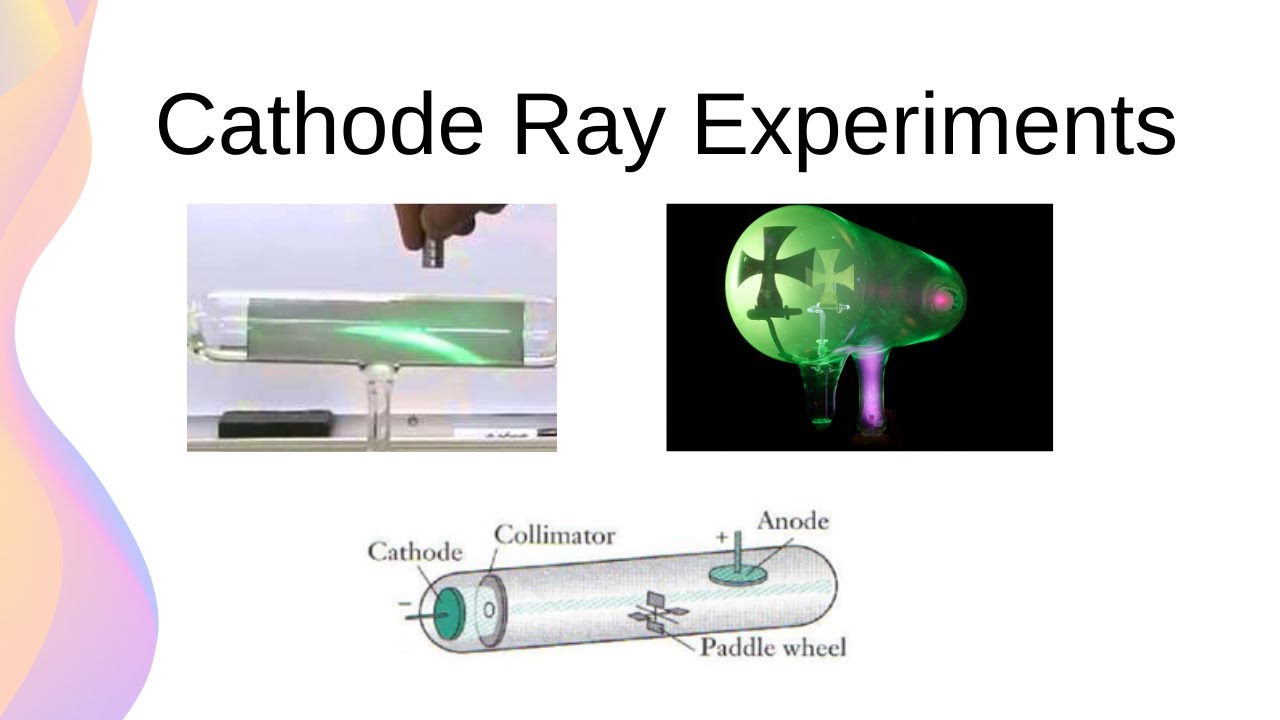
Fig 2. Cathode ray experiments demonstrating fluorescent effects and straight-line travel
Zinc sulphide is a phosphorescent material — it glows when struck by fast-moving particles. By making a hole in the anode, the rays pass through and hit the ZnS coating behind it, producing a visible bright spot. This is the same principle used in old CRT television screens.
Cathode Rays Travel in Straight Lines
Cathode rays produce a sharp shadow of a solid object placed in their path. When an opaque object (such as a Maltese cross) is placed between the cathode and the fluorescent screen, a well-defined shadow appears on the screen.
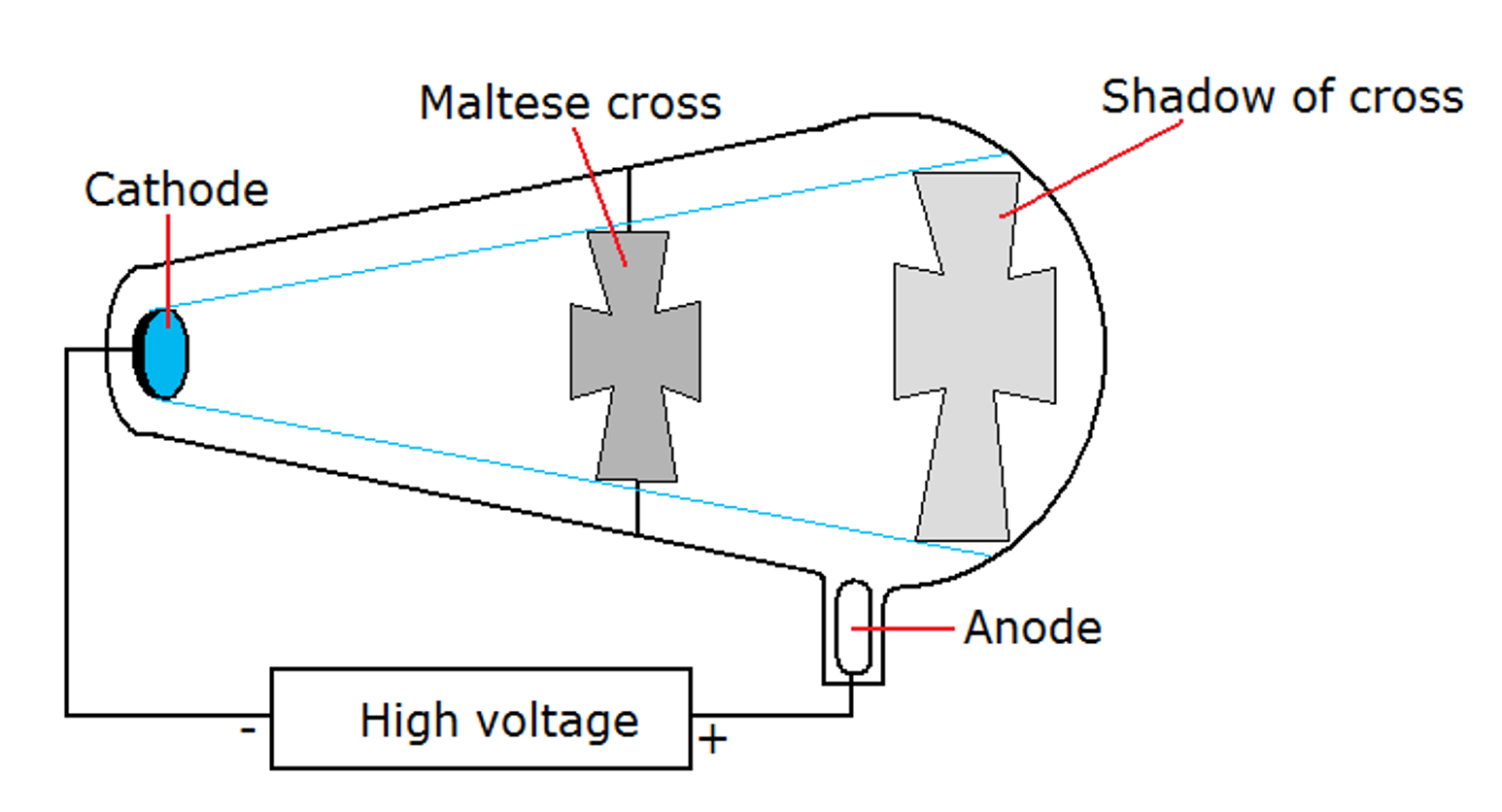
Fig 3. Shadow of a Maltese cross on the fluorescent screen proves cathode rays travel in straight lines
The sharpness of the shadow tells us that cathode rays do not bend around objects the way light can (diffraction). Instead, they travel in straight lines from the cathode, similar to how particles in a beam would behave. If cathode rays were waves, we would expect some bending around the edges of the object.
Cathode Rays Are Material Particles
If a light paddle wheel (e.g., made of mica) is placed in the path of cathode rays, the wheel begins to rotate. This shows that cathode rays are not just a form of energy or radiation — they are made up of material particles that possess momentum and can exert force on physical objects.
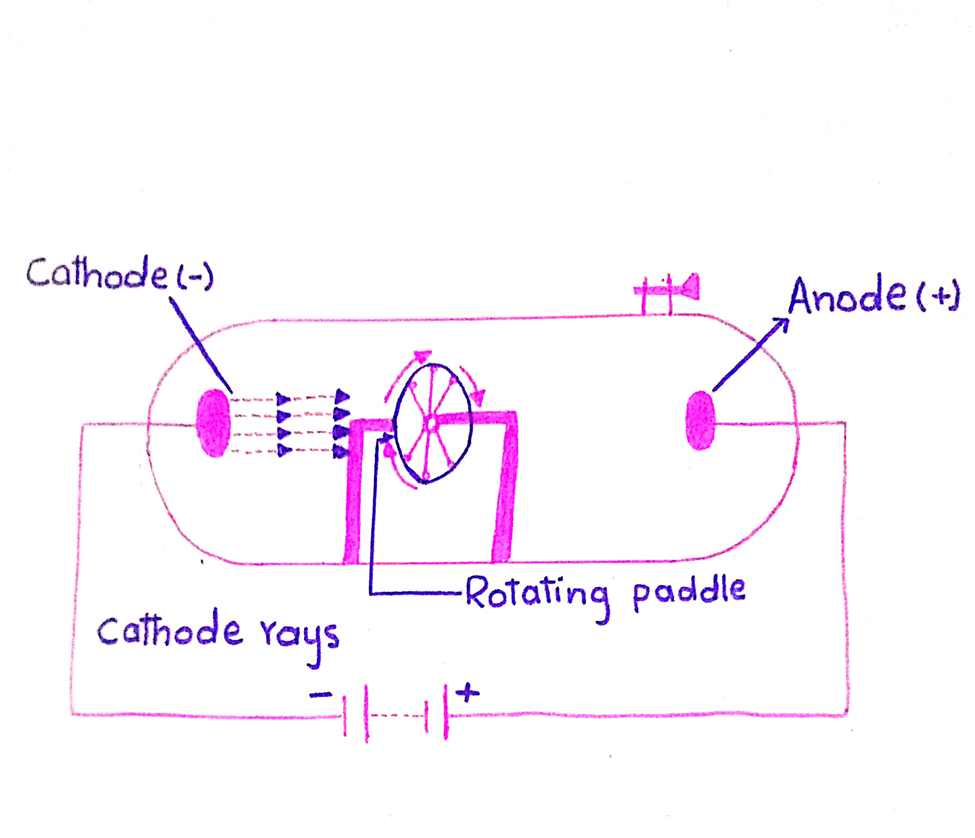
Fig 4. Light mica paddle wheel rotates when struck by cathode rays, proving they carry momentum
For the wheel to rotate, the cathode rays must have mass and velocity (i.e., momentum). A wave or pure energy (like light) cannot spin a physical wheel. This was crucial evidence that cathode rays are not electromagnetic waves but actual particles — what we now know as electrons.